Dead Heat Settlement Rules for Sports Betting

Dead Heat Settlement Rules for Sports Betting

When two horses cross the finish line simultaneously or multiple golfers tie for a tournament position, sports betting enters the realm of dead heat settlement rules. These specialized regulations determine how sportsbooks handle payouts when ties occur in popular wagering markets, particularly relevant for Indian bettors who frequently engage with cricket match betting and horse racing in states like Karnataka and Tamil Nadu.


Hidden Transaction Fees in Cross-Border Gambling Payments

Hidden Transaction Fees in Cross-Border Gambling Payments

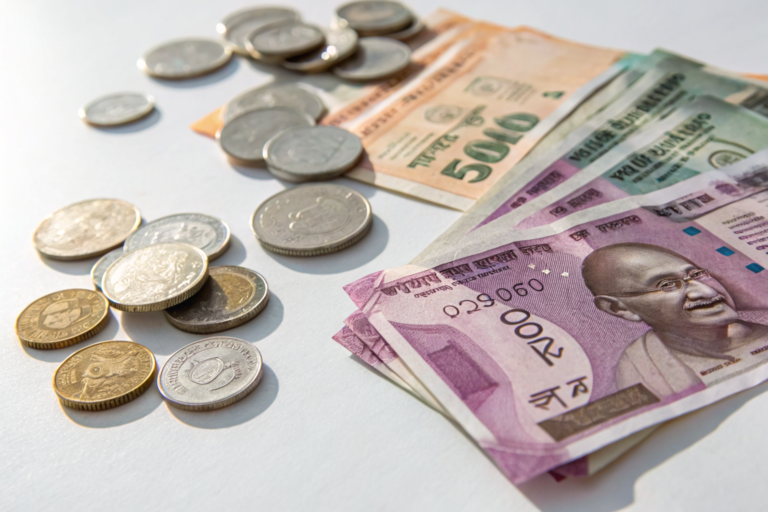
Winning INR 100,000 on an offshore gambling site should be a moment of celebration. Yet for many Indian players, this victory quickly turns into disappointment when they discover that after payment processor fees, foreign exchange markups, and the mandatory 31.2% TDS (Tax Deducted at Source), their actual payout shrinks to around INR 60,000 or less. This stark reality highlights the complex web of hidden transaction fees that plague cross-border gambling payments from India.

Loyalty Point Conversion Rates to Cash in Local Currency

Loyalty Point Conversion Rates to Cash in Local Currency

When it comes to online gaming and casino platforms in India, loyalty points have become a cornerstone of player engagement. These reward systems offer players the opportunity to convert their accumulated points into real cash, creating an additional revenue stream beyond traditional gambling wins. Understanding how these conversion rates work in Indian Rupees can significantly impact your overall gaming strategy and potential returns.

Currency Rounding Practices on Small Payouts

Currency Rounding Practices on Small Payouts

When the Reserve Bank of India implemented its paise rounding rule in 1991, few could have predicted how this seemingly minor regulation would ripple through every corner of India’s economy. The rule is straightforward: amounts with paise fractions below 50 are rounded down to the nearest rupee, while those at 50 paise or above are rounded up. What began as a practical solution for tax calculations and government refunds has become a daily reality affecting millions of transactions, from street vendor purchases to digital remittances.